


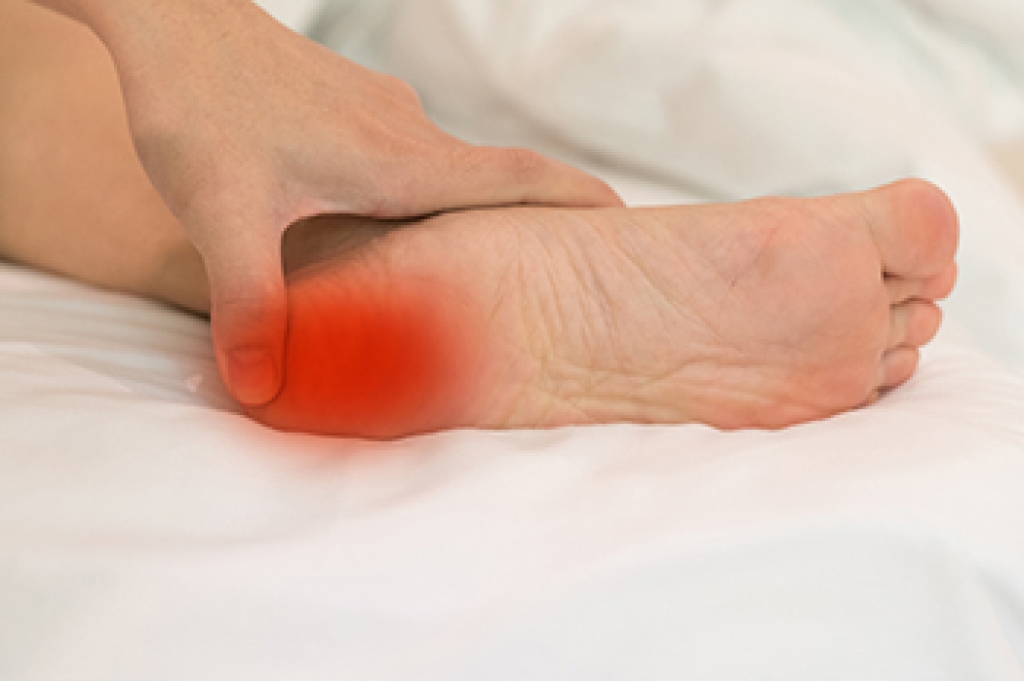
Heel pain in children is often linked to a condition known as Sever’s disease, which is a common cause of discomfort in growing athletes. Sever’s disease, also called calcaneal apophysitis, occurs when the growth plate in the heel becomes inflamed due to repetitive stress. The heel bone grows faster than surrounding muscles and tendons during growth spurts, which can create tension and irritation. This condition is not a disease in the traditional sense, but rather an overuse injury that affects active children between 8 and 14 years old, especially those involved in running and jumping activities.
Symptoms of Sever’s disease typically include heel pain during or after physical activity, tenderness at the back of the heel, and mild swelling. Children may limp, walk on their toes, or complain of stiffness, especially in the morning or after rest. The pain often worsens with certain sports, such as soccer, basketball, or gymnastics. Pressing on the sides of the heel may also cause discomfort, which is a common sign of this condition. Early recognition of symptoms can help prevent further irritation and allow for timely care.
Several risk factors contribute to the development of heel pain related to Sever’s disease. Rapid growth during childhood can place extra stress on the heel. Tight calf muscles, wearing improper footwear, and high levels of physical activity may increase strain on the growth plate. Hard playing surfaces and poor shock absorption can also worsen symptoms. Children who participate in year round sports without adequate rest may face a higher risk of developing this condition.
Managing heel pain in children involves reducing stress on the affected area and supporting proper foot mechanics. Rest, stretching exercises, and wearing supportive footwear can help relieve symptoms and improve comfort. Early care can prevent the condition from interfering with daily activities and sports participation. If your active child has heel pain, it is suggested that you consult a podiatrist for effective relief and management tips.
Sever's disease often occurs in children and teens. If your child is experiencing foot or ankle pain, see David K. Morris, DPM from Florida. Our doctor can treat your child’s foot and ankle needs.
Sever’s Disease
Sever’s disease is also known as calcaneal apophysitis, which is a medical condition that causes heel pain I none or both feet. The disease is known to affect children between the ages of 8 and 14.
Sever’s disease occurs when part of the child’s heel known as the growth plate (calcaneal epiphysis) is attached to the Achilles tendon. This area can suffer injury when the muscles and tendons of the growing foot do not keep pace with bone growth. Therefore, the constant pain which one experiences at the back of the heel will make the child unable to put any weight on the heel. The child is then forced to walk on their toes.
Symptoms
Acute pain – Pain associated with Sever’s disease is usually felt in the heel when the child engages in physical activity such as walking, jumping and or running.
Highly active – Children who are very active are among the most susceptible in experiencing Sever’s disease, because of the stress and tension placed on their feet.
If you have any questions, please feel free to contact our office located in Plantation, FL . We offer the newest diagnostic and treatment technologies for all your foot care needs.
