
Like us on facebook
Follow us on twitter
review us on google

Recognizing and Finding Relief From Plantar Warts

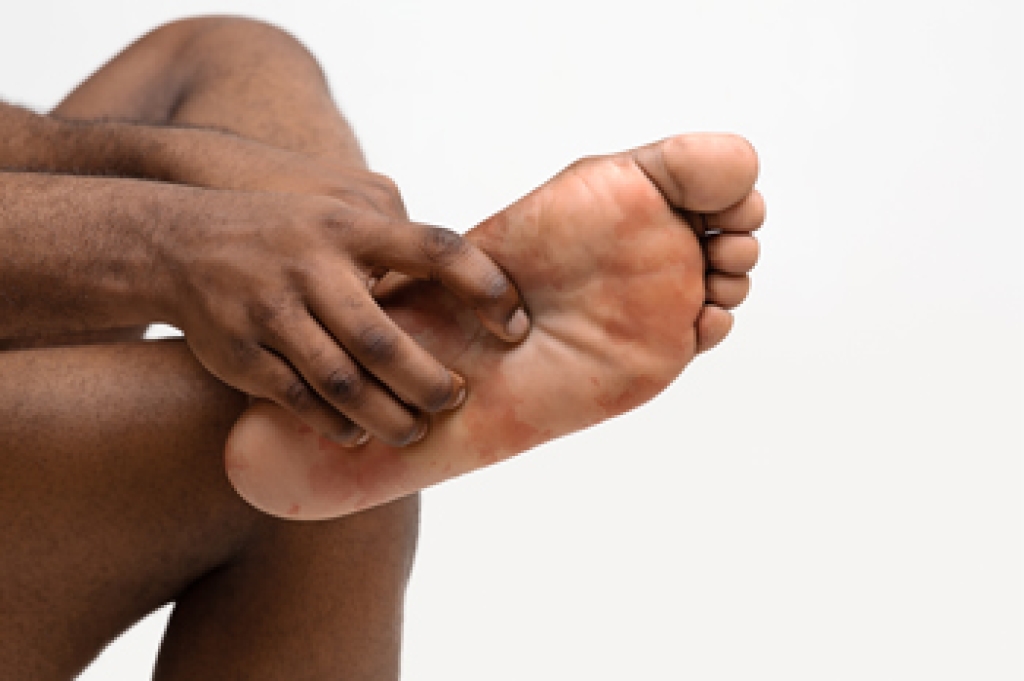
Plantar warts are small growths that develop on the bottom of the foot, most often on weight-bearing areas like the heel or ball of the foot. They are caused by a virus that enters the skin through tiny openings, leading to thick, rough skin that may be painful when walking or standing. These warts are contagious and can spread through direct contact or shared surfaces, like locker room floors, pools, or showers. Plantar warts are often mistaken for calluses, but they usually contain small dark dots, which are actually clotted blood vessels. A podiatrist can provide relief by safely reducing thickened skin, applying targeted topical treatment, or using freezing techniques to destroy wart tissue. If you believe you have a plantar wart, it is suggested that you make an appointment with a podiatrist for an exam, diagnosis, and treatment.

Plantar warts can be very uncomfortable. If you need your feet checked, contact David K. Morris, DPM from Florida. Our doctor will assist you with all of your foot and ankle needs.

About Plantar Warts

Plantar warts are the result of HPV, or human papillomavirus, getting into open wounds on the feet. They are mostly found on the heels or balls of the feet.

While plantar warts are generally harmless, those experiencing excessive pain or those suffering from diabetes or a compromised immune system require immediate medical care. Plantar warts are easily diagnosed, usually through scraping off a bit of rough skin or by getting a biopsy.

Symptoms

  • Lesions on the bottom of your feet, usually rough and grainy
  • Hard or thick callused spots
  • Wart seeds, which are small clotted blood vessels that look like little black spots
  • Pain, discomfort, or tenderness of your feet when walking or standing

Treatment

  • Freezing
  • Electric tool removal
  • Laser Treatment
  • Topical Creams (prescription only)
  • Over-the-counter medications

To help prevent developing plantar warts, avoid walking barefoot over abrasive surfaces that can cause cuts or wounds for HPV to get into. Avoiding direct contact with other warts, as well as not picking or rubbing existing warts, can help prevent the further spread of plantar warts. However, if you think you have developed plantar warts, speak to your podiatrist. He or she can diagnose the warts on your feet and recommend the appropriate treatment options.

If you have any questions, please feel free to contact our office located in Plantation, FL . We offer the newest diagnostic and treatment technologies for all your foot care needs.
Read more about All About Plantar Warts

Common Causes of Pain on the Bottom of the Foot

Pain on the bottom of the foot is a frequent problem that can affect daily activities and overall mobility. One common cause is plantar fasciitis, which results from inflammation of the thick band of tissue running along the sole and often causes sharp heel pain, especially in the morning or after prolonged standing. Metatarsalgia, another cause, affects the ball of the foot and can result from overuse, wearing ill-fitting footwear, or excessive pressure during walking and running. Neuropathy, often associated with diabetes or nerve damage, can lead to tingling, burning, or numbness in the foot. A podiatrist can accurately diagnose the underlying cause, provide targeted treatments, recommend supportive footwear, and design custom orthotics to relieve pain. If you have pain or mild discomfort on the bottom of your foot, it is suggested that you consult a podiatrist who can offer effective relief and treatment solutions. 

Foot Pain

Foot pain can be extremely painful and debilitating. If you have a foot pain, consult with David K. Morris, DPM from Florida. Our doctor will assess your condition and provide you with quality foot and ankle treatment.

Causes

Foot pain is a very broad condition that could be caused by one or more ailments. The most common include:

  • Bunions
  • Hammertoes
  • Plantar Fasciitis
  • Bone Spurs
  • Corns
  • Tarsal Tunnel Syndrome
  • Ingrown Toenails
  • Arthritis (such as Gout, Rheumatoid, and Osteoarthritis)
  • Flat Feet
  • Injury (from stress fractures, broken toe, foot, ankle, Achilles tendon ruptures, and sprains)
  • And more

Diagnosis

To figure out the cause of foot pain, podiatrists utilize several different methods. This can range from simple visual inspections and sensation tests to X-rays and MRI scans. Prior medical history, family medical history, and any recent physical traumatic events will all be taken into consideration for a proper diagnosis.

Treatment

Treatment depends upon the cause of the foot pain. Whether it is resting, staying off the foot, or having surgery; podiatrists have a number of treatment options available for foot pain.

If you have any questions, please feel free to contact our office located in Plantation, FL . We offer the newest diagnostic and treatment technologies for all your foot care needs.

Read more about Foot Pain

Types of Ankle Fractures

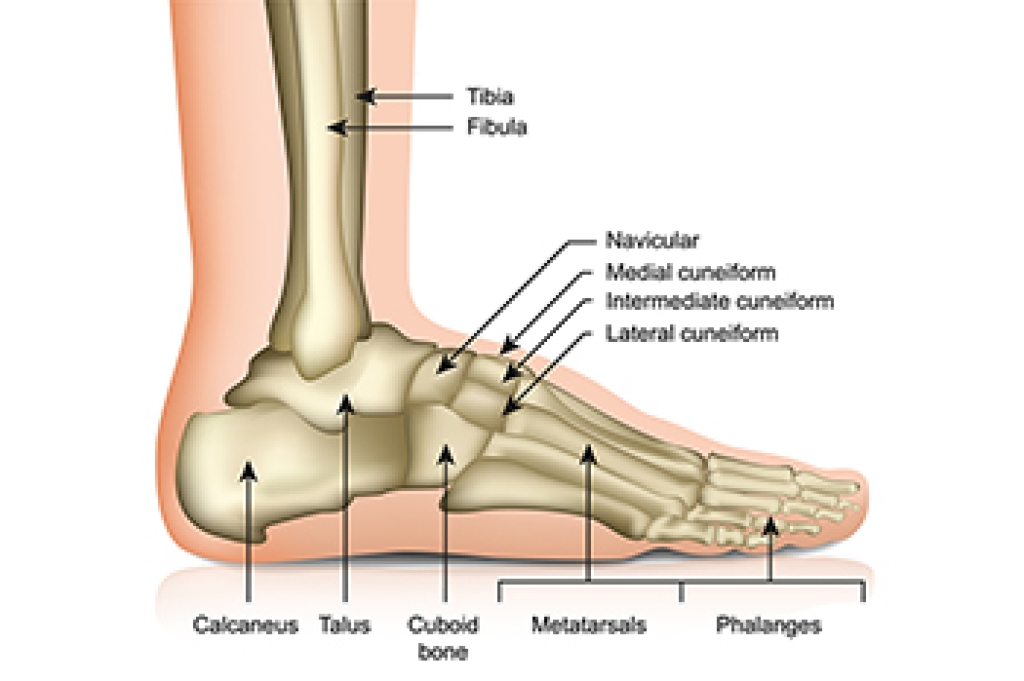
Ankle fractures involve breaks in the bones that form the ankle joint. This includes the tibia and fibula, which are leg bones that meet at the talus, which supports the foot as it moves up and down. Some injuries also affect the back or inner edges of the tibia, known as the posterior and medial malleolus. These fractures typically occur when the ankle twists inward or outward, but they can also result from falling, missing a step, or landing awkwardly in worn-out shoes with inadequate support or while wearing flip-flops. Stable fractures keep the joint aligned, while unstable fractures cause the talus to shift, raising the risk of long-term pain and arthritis. A podiatrist can assess bone position, review imaging, and determine whether the ankle can heal with protection or if surgery is needed to regain alignment. If you believe you have fractured an ankle bone, it is suggested that you make an appointment with a podiatrist for an exam and treatment.

Broken ankles need immediate treatment. If you are seeking treatment, contact David K. Morris, DPM from Florida. Our doctor can provide the care you need to keep you pain-free and on your feet. 

Broken Ankles
A broken ankle is experienced when a person fractures their tibia or fibula in the lower leg and ankle area. Both of these bones are attached at the bottom of the leg and combine to form what we know to be our ankle.

When a physician is referring to a break of the ankle, he or she is usually referring to a break in the area where the tibia and fibula are joined to create our ankle joint. Ankles are more prone to fractures because the ankle is an area that suffers a lot of pressure and stress. There are some obvious signs when a person experiences a fractured ankle, and the following symptoms may be present.

Symptoms of a Fractured Ankle

  • Excessive pain when the area is touched or when any pressure is placed on the ankle
  • Swelling around the area
  • Bruising of the area
  • Area appears to be deformed

If you suspect an ankle fracture, it is recommended to seek treatment as soon as possible. The sooner you have your podiatrist diagnose the fracture, the quicker you’ll be on the way towards recovery.

If you have any questions, please feel free to contact our office located in Plantation, FL . We offer the newest diagnostic and treatment technologies for all your foot care needs.

Read more about All About Broken Ankle

Are Bunions Affecting Your Everyday Life?

Have you noticed a bony protrusion on the side of your big toe? If so, you may have developed the foot condition known as a bunion. Don't let bunions interfere with your daily activities.

Fall Prevention Tips at Home

Falls at home are a common cause of injury, especially for older adults and individuals with balance concerns. Improving lighting throughout living spaces helps reduce shadows and makes obstacles easier to see. Removing trip hazards like loose rugs, cords, and clutter can significantly lower fall risk. Additionally, placing frequently used items within easy reach reduces the need for stretching or bending, while avoiding ladders limits the chance of losing balance. Wearing proper footwear and walking on stable surfaces also play an important role in safety. A podiatrist can help by evaluating foot health, balance, and gait, as well as recommending supportive shoes or custom orthotics to improve stability. If you have foot pain from falling, it is suggested that you consult a podiatrist who can treat various foot conditions, and can guide you on additional falls prevention tips.  

Preventing falls among the elderly is very important. If you are older and have fallen or fear that you are prone to falling, consult with David K. Morris, DPM from Florida. Our doctor will assess your condition and provide you with quality advice and care.

Every 11 seconds, an elderly American is being treated in an emergency room for a fall related injury. Falls are the leading cause of head and hip injuries for those 65 and older. Due to decreases in strength, balance, senses, and lack of awareness, elderly persons are very susceptible to falling. Thankfully, there are a number of things older persons can do to prevent falls.

How to Prevent Falls

Some effective methods that older persons can do to prevent falls include:

  • Enrolling in strength and balance exercise program to increase balance and strength
  • Periodically having your sight and hearing checked
  • Discuss any medications you have with a doctor to see if it increases the risk of falling
  • Clearing the house of falling hazards and installing devices like grab bars and railings
  • Utilizing a walker or cane
  • Wearing shoes that provide good support and cushioning
  • Talking to family members about falling and increasing awareness

Falling can be a traumatic and embarrassing experience for elderly persons; this can make them less willing to leave the house, and less willing to talk to someone about their fears of falling. Doing such things, however, will increase the likelihood of tripping or losing one’s balance. Knowing the causes of falling and how to prevent them is the best way to mitigate the risk of serious injury.  

If you have any questions, please feel free to contact our office located in Plantation, FL . We offer the newest diagnostic and treatment technologies for all your foot care needs.

Read more about Falls Prevention
scroll to top