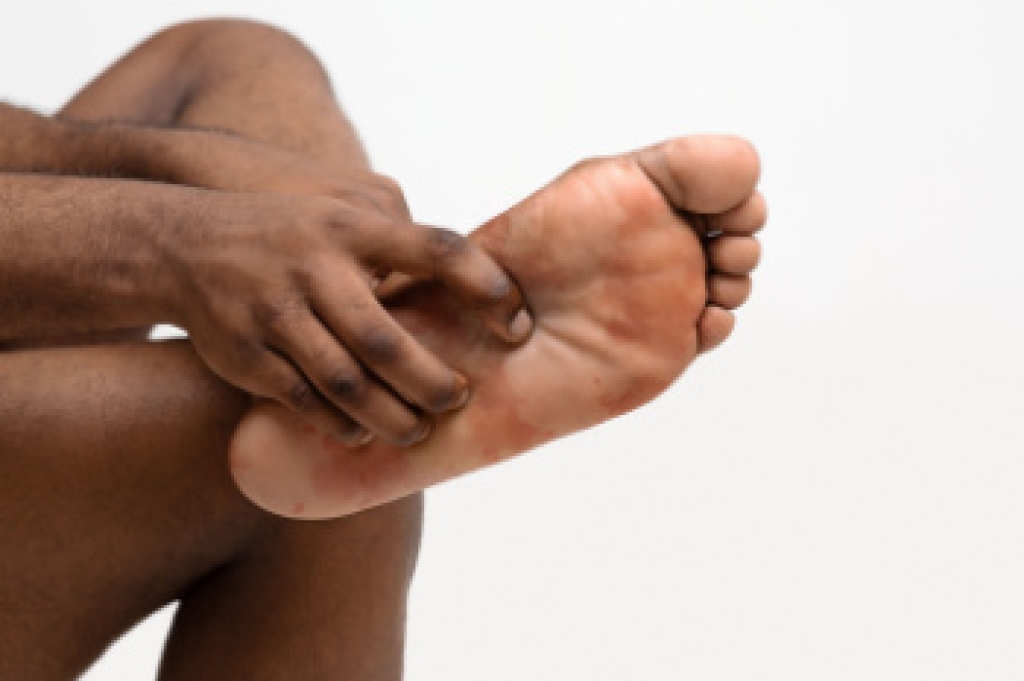
Heel pain can turn a short walk into an unpleasant experience. Each time your heel hits the ground, a heel strike sends force through the heel and ankle. Pain begins when tissues or bones cannot handle that force well. One cause is plantar fasciitis, irritation of the strong band along the bottom of the foot. Another cause is Achilles tendinitis, an irritation of the tendon that connects the calf muscle to the heel. Either problem can result in pain, stiffness, or swelling.
Other foot problems can make the heel hurt while walking. A stress fracture is a small crack in the heel bone, caused by repeated high-impact activity. A pinched nerve near the ankle can also cause pain, tingling, or numbness around the heel. An irritated fluid-filled sac, called a bursa, near a tendon can hurt. Shoes that lack proper support can add heel strain. A sudden increase in running, jumping, or long-distance walking can do the same. Severe pain after an injury, an inability to bear weight, or major swelling deserves prompt medical attention. Because several problems cause similar symptoms, the location and pattern of pain matter.
A podiatrist can examine your foot, watch how you walk, and ask when the pain began. Imaging can identify a fracture or hidden problem. After finding the cause, the podiatrist can create a plan that protects the injured area and improves foot support. Treatment options include custom orthotics, a walking boot, or a night splint. An injection might be considered for certain inflammation. Surgery is reserved for select cases that do not improve with other care. A podiatrist can also check your shoes and explain safe activity changes. Early evaluation is essential because walking on an injured heel can limit movement and make pain harder to manage. If you have heel pain while walking, it is suggested that you schedule an appointment with a podiatrist for a diagnosis and appropriate treatment.
Many people suffer from bouts of heel pain. For more information, contact David K. Morris, DPM of Florida. Our doctor can provide the care you need to keep you pain-free and on your feet.
Causes of Heel Pain
Heel pain is often associated with plantar fasciitis. The plantar fascia is a band of tissues that extends along the bottom of the foot. A rip or tear in this ligament can cause inflammation of the tissue.
Achilles tendonitis is another cause of heel pain. Inflammation of the Achilles tendon will cause pain from fractures and muscle tearing. Lack of flexibility is also another symptom.
Heel spurs are another cause of pain. When the tissues of the plantar fascia undergo a great deal of stress, it can lead to ligament separation from the heel bone, causing heel spurs.
Why Might Heel Pain Occur?
- Wearing ill-fitting shoes
- Wearing non-supportive shoes
- Weight change
- Excessive running
Treatments
Heel pain should be treated as soon as possible for immediate results. Keeping your feet in a stress-free environment will help. If you suffer from Achilles tendonitis or plantar fasciitis, applying ice will reduce the swelling. Stretching before an exercise like running will help the muscles. Using all these tips will help make heel pain a condition of the past.
If you have any questions, please feel free to contact our office located in Plantation, FL . We offer the newest diagnostic and treatment technologies for all your foot care needs.