Like us on facebook
Follow us on twitter
review us on google

Facts About Heel Spurs

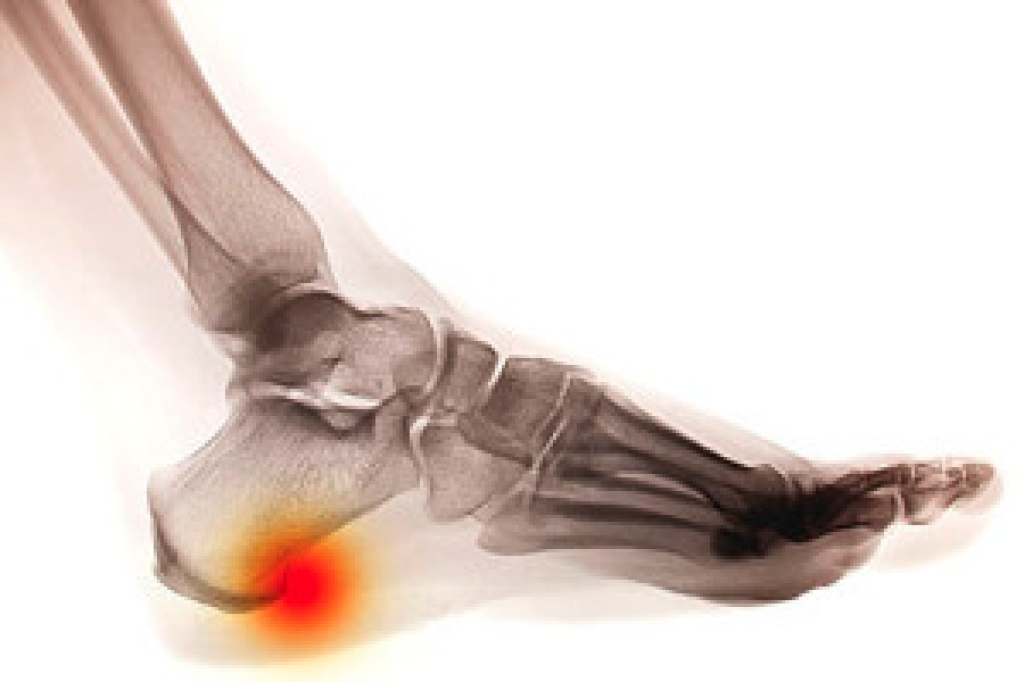
A heel spur is a small, bony growth that develops on the underside or back of the heel bone. It forms when calcium deposits build up, often where ligaments or tendons attach to bone. Although some heel spurs cause no discomfort, others occur along with inflammation that contributes to heel pain. Symptoms include tenderness while walking or standing, especially after resting. Understanding what causes heel spurs can help you find relief and protect your foot health.

Age is a common risk factor, because the tissues supporting your feet change over time. Years of wear and tear may increase stress around the heel, allowing calcium deposits to develop. Overuse also contributes, particularly when running or standing for long periods without adequate support. Other risk factors include excess body weight, tight calf muscles, and poorly fitting shoes. People with plantar fasciitis may develop heel spurs because repeated tension affects the tissue that connects the heel to the toes.


Heel spur pain often feels worse during the first steps in the morning or after sitting for a while. Discomfort may ease as you move, then return after prolonged activity. However, the spur itself is not always the source of pain. A podiatrist can examine your foot, review your symptoms, and order an X-ray to confirm whether a spur is present. Treatment options include wearing supportive footwear and taking medication to reduce inflammation, when appropriate.


Most heel spurs improve with conservative care, and surgery is rarely necessary. A podiatrist will recommend a treatment plan based on your symptoms and daily activities. Do not avoid addressing persistent heel pain, since early evaluation can help prevent worsening discomfort. If you have heel pain or suspect a heel spur, it is suggested that you consult a podiatrist for an accurate diagnosis and appropriate treatment.

Heel spurs can be incredibly painful and sometimes may make you unable to participate in physical activities. To get medical care for your heel spurs, contact David K. Morris, DPM from Florida. Our doctor will do everything possible to treat your condition.

Heels Spurs

Heel spurs are formed by calcium deposits on the back of the foot where the heel is. This can also be caused by small fragments of bone breaking off one section of the foot, attaching onto the back of the foot. Heel spurs can also be bone growth on the back of the foot and may grow in the direction of the arch of the foot.

Older individuals usually suffer from heel spurs and pain sometimes intensifies with age. One of the main condition's spurs are related to is plantar fasciitis.

Pain

The pain associated with spurs is often because of weight placed on the feet. When someone is walking, their entire weight is concentrated on the feet. Bone spurs then have the tendency to affect other bones and tissues around the foot. As the pain continues, the feet will become tender and sensitive over time.

Treatments

There are many ways to treat heel spurs. If one is suffering from heel spurs in conjunction with pain, there are several methods for healing. Medication, surgery, and herbal care are some options.

If you have any questions, please feel free to contact our office located in Plantation, FL . We offer the newest diagnostic and treatment technologies for all your foot care needs.

Read more about How to Treat Heel Spurs

What High-Ankle Pain Means for Mobility

High-ankle pain develops above the ankle joint, where ligaments connect the lower-leg bones. These ligaments hold the bones together and keep the ankle stable. Pain can begin after the foot twists outward while the leg turns inward. This motion can cause a high-ankle sprain, which differs from a sprain on the outside of the ankle. High-ankle pain can also result from a fracture, arthritis, or tendon irritation. Symptoms include tenderness above the ankle, swelling, and pain when the foot turns outward. Walking, climbing stairs, and pushing off can become difficult.

Because several problems can cause pain above the ankle, an accurate diagnosis is important. A podiatrist will ask how symptoms began and where pain is strongest. The examination includes checking swelling, movement, and stability. The podiatrist may rotate the foot or press along the lower leg to identify injured tissue. X-rays can reveal a fracture or unusual spacing between the lower-leg bones. An MRI scan provides a closer look at ligaments and tendons when the cause remains unclear. Severe pain, an inability to bear weight, or a misshapen ankle needs prompt medical attention. Redness, warmth, or fever can also signal a problem requiring timely care.

Treatment depends on the cause and extent of damage. A podiatrist can protect the ankle with a brace, walking boot, or cast. These devices limit harmful motion while tissues heal. The podiatrist can recommend an activity change and guide a gradual return to movement. Custom orthotics can improve alignment and reduce stress when poor mechanics contribute to pain. A severe ligament injury can leave the lower-leg bones unstable and sometimes requires surgery. Follow-up visits allow the podiatrist to check healing and adjust treatment as needed. Early care can reduce the risk of lasting weakness, stiffness, and repeated injury. If you are experiencing high-ankle pain, it is suggested that you schedule an appointment with a podiatrist for effective relief and treatment solutions.

Ankle pain can be caused by a number of problems and may be potentially serious. If you have ankle pain, consult with David K. Morris, DPM from Florida. Our doctor will assess your condition and provide you with quality foot and ankle treatment.

Ankle pain is any condition that causes pain in the ankle. Due to the fact that the ankle consists of tendons, muscles, bones, and ligaments, ankle pain can come from a number of different conditions.

Causes

The most common causes of ankle pain include:

  • Types of arthritis (rheumatoid, osteoarthritis, and gout)
  • Ankle sprains
  • Broken ankles
  • Achilles tendonitis
  • Achilles tendon rupture
  • Stress fractures
  • Bursitis
  • Tarsal tunnel syndrome
  • Plantar fasciitis

Symptoms

Symptoms of ankle injury vary based upon the condition. Pain may include general pain and discomfort, swelling, aching, redness, bruising, burning or stabbing sensations, and/or loss of sensation.

Diagnosis

Due to the wide variety of potential causes of ankle pain, podiatrists will utilize a number of different methods to properly diagnose ankle pain. This can include asking for personal and family medical histories and of any recent injuries. Further diagnosis may include sensation tests, a physical examination, and potentially x-rays or other imaging tests.

Treatment

Just as the range of causes varies widely, so do treatments. Some more common treatments are rest, ice packs, keeping pressure off the foot, orthotics and braces, medication for inflammation and pain, and surgery.

If you have any questions please feel free to contact our office located in Plantation, FL . We offer the newest diagnostic tools and technology to treat your foot and ankle needs.

Read more about Ankle Pain
scroll to top