Like us on facebook
Follow us on twitter
review us on google

Causes of Ankle Pain in Golfers

Ankle pain while playing golf is a common issue that can affect performance and enjoyment of the game. A lack of mobility in the ankle joints places added stress on the surrounding muscles and ligaments, leading to discomfort during swings and walking the course. Weakness or lack of strength in the supporting muscles also contributes to instability and strain. Over time, these factors may result in chronic pain or injury if not properly addressed. A podiatrist can evaluate the mechanics of your feet and ankles, recommend supportive footwear or orthotics, and provide strengthening exercises to reduce stress. If you have foot or ankle pain from playing golf, it is suggested that you consult a podiatrist who can offer effective relief and treatment solutions, while guiding you on foot strengthening techniques.

Ankle and foot injuries are common among athletes and in many sports. They can be caused by several problems and may be potentially serious. If you are feeling pain or think you were injured in a sporting event or when exercising, consult with David K. Morris, DPM from Florida. Our doctor will assess your condition and provide you with quality foot and ankle treatment.

Common Injuries

The most common injuries that occur in sporting activities include:

  • Achilles Tendonitis
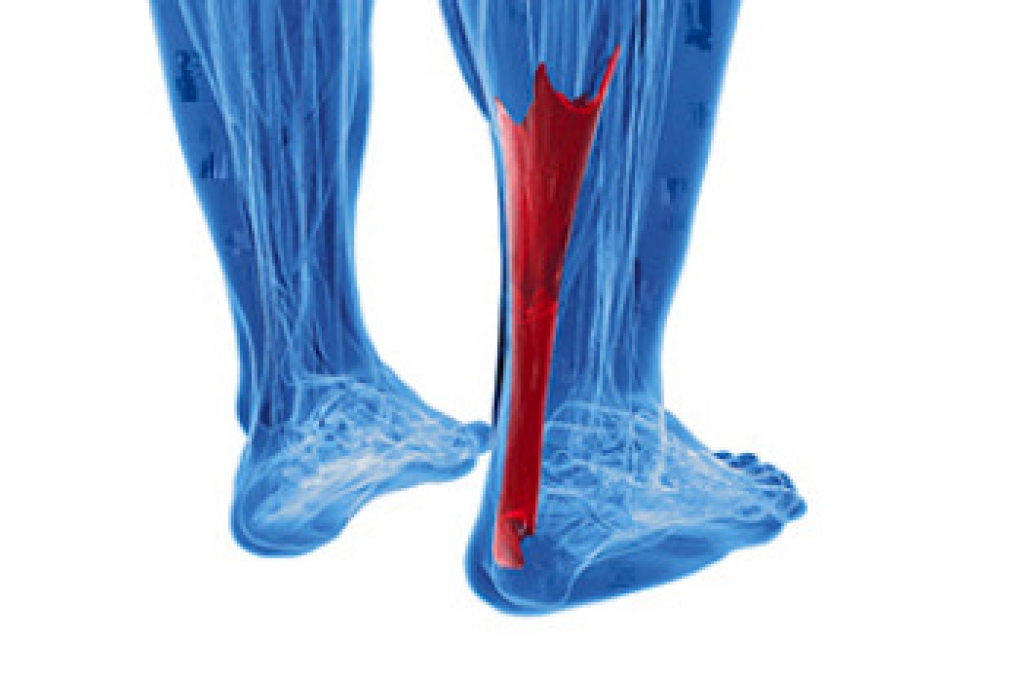
  • Achilles Tendon Rupture
  • Ankle Sprains
  • Broken Foot
  • Plantar Fasciitis
  • Stress Fractures
  • Turf Toe

Symptoms

Symptoms vary depending upon the injury and in some cases, there may be no symptoms at all. However, in most cases, some form of symptom is experienced. Pain, aching, burning, bruising, tenderness, tightness or stiffness, sensation loss, difficulty moving, and swelling are the most common symptoms.

Treatment

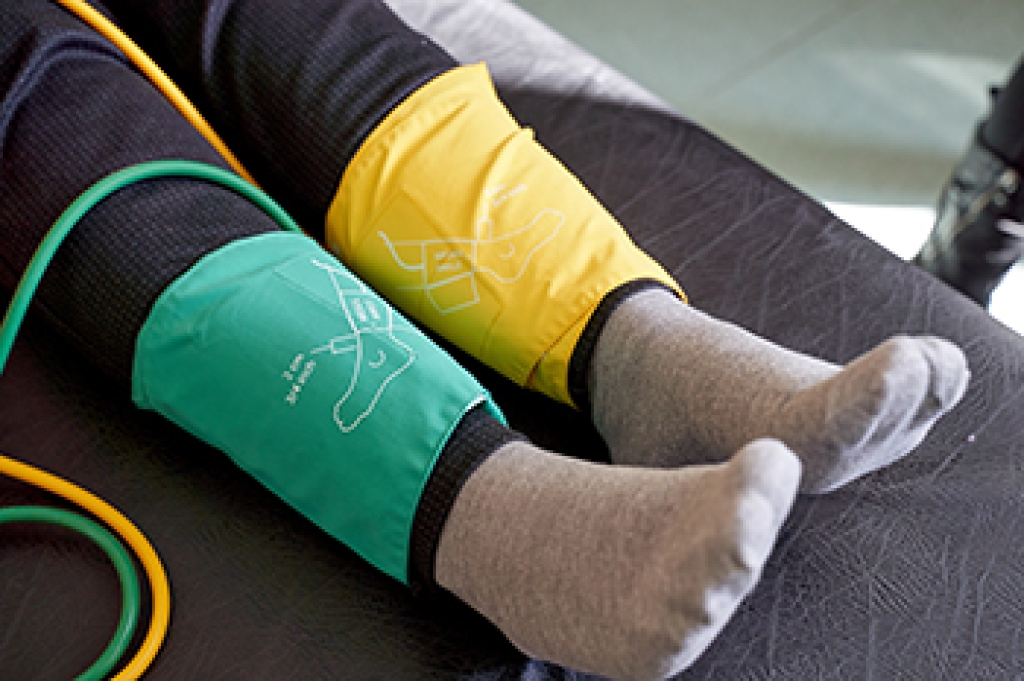
Just as symptoms vary depending upon the injury, so do treatment options. A common treatment method is known as the RICE method. This method involves rest, applying ice, compression and elevating the afflicted foot or ankle. If the injury appears to be more serious, surgery might be required, such as arthroscopic or reconstructive surgery. Lastly, rehabilitation or therapy might be needed to gain full functionality in the afflicted area. Any discomfort experienced by an athlete must be evaluated by a licensed, reputable medical professional.  

If you have any questions please contact our office located in Plantation, FL . We offer the newest diagnostic and treatment technologies for all your foot and ankle needs.

Read more about Sports Related Foot and Ankle Injuries

Recognizing and Finding Relief From Plantar Warts

Plantar warts are small growths that develop on the bottom of the foot, most often on weight-bearing areas like the heel or ball of the foot. They are caused by a virus that enters the skin through tiny openings, leading to thick, rough skin that may be painful when walking or standing. These warts are contagious and can spread through direct contact or shared surfaces, like locker room floors, pools, or showers. Plantar warts are often mistaken for calluses, but they usually contain small dark dots, which are actually clotted blood vessels. A podiatrist can provide relief by safely reducing thickened skin, applying targeted topical treatment, or using freezing techniques to destroy wart tissue. If you believe you have a plantar wart, it is suggested that you make an appointment with a podiatrist for an exam, diagnosis, and treatment.

Plantar warts can be very uncomfortable. If you need your feet checked, contact David K. Morris, DPM from Florida. Our doctor will assist you with all of your foot and ankle needs.

About Plantar Warts

Plantar warts are the result of HPV, or human papillomavirus, getting into open wounds on the feet. They are mostly found on the heels or balls of the feet.

While plantar warts are generally harmless, those experiencing excessive pain or those suffering from diabetes or a compromised immune system require immediate medical care. Plantar warts are easily diagnosed, usually through scraping off a bit of rough skin or by getting a biopsy.

Symptoms

  • Lesions on the bottom of your feet, usually rough and grainy
  • Hard or thick callused spots
  • Wart seeds, which are small clotted blood vessels that look like little black spots
  • Pain, discomfort, or tenderness of your feet when walking or standing

Treatment

  • Freezing
  • Electric tool removal
  • Laser Treatment
  • Topical Creams (prescription only)
  • Over-the-counter medications

To help prevent developing plantar warts, avoid walking barefoot over abrasive surfaces that can cause cuts or wounds for HPV to get into. Avoiding direct contact with other warts, as well as not picking or rubbing existing warts, can help prevent the further spread of plantar warts. However, if you think you have developed plantar warts, speak to your podiatrist. He or she can diagnose the warts on your feet and recommend the appropriate treatment options.

If you have any questions, please feel free to contact our office located in Plantation, FL . We offer the newest diagnostic and treatment technologies for all your foot care needs.

Read more about All About Plantar Warts

Common Causes of Pain on the Bottom of the Foot

Pain on the bottom of the foot is a frequent problem that can affect daily activities and overall mobility. One common cause is plantar fasciitis, which results from inflammation of the thick band of tissue running along the sole and often causes sharp heel pain, especially in the morning or after prolonged standing. Metatarsalgia, another cause, affects the ball of the foot and can result from overuse, wearing ill-fitting footwear, or excessive pressure during walking and running. Neuropathy, often associated with diabetes or nerve damage, can lead to tingling, burning, or numbness in the foot. A podiatrist can accurately diagnose the underlying cause, provide targeted treatments, recommend supportive footwear, and design custom orthotics to relieve pain. If you have pain or mild discomfort on the bottom of your foot, it is suggested that you consult a podiatrist who can offer effective relief and treatment solutions. 

Foot Pain

Foot pain can be extremely painful and debilitating. If you have a foot pain, consult with David K. Morris, DPM from Florida. Our doctor will assess your condition and provide you with quality foot and ankle treatment.

Causes

Foot pain is a very broad condition that could be caused by one or more ailments. The most common include:

  • Bunions
  • Hammertoes
  • Plantar Fasciitis
  • Bone Spurs
  • Corns
  • Tarsal Tunnel Syndrome
  • Ingrown Toenails
  • Arthritis (such as Gout, Rheumatoid, and Osteoarthritis)
  • Flat Feet
  • Injury (from stress fractures, broken toe, foot, ankle, Achilles tendon ruptures, and sprains)
  • And more

Diagnosis

To figure out the cause of foot pain, podiatrists utilize several different methods. This can range from simple visual inspections and sensation tests to X-rays and MRI scans. Prior medical history, family medical history, and any recent physical traumatic events will all be taken into consideration for a proper diagnosis.

Treatment

Treatment depends upon the cause of the foot pain. Whether it is resting, staying off the foot, or having surgery; podiatrists have a number of treatment options available for foot pain.

If you have any questions, please feel free to contact our office located in Plantation, FL . We offer the newest diagnostic and treatment technologies for all your foot care needs.

Read more about Foot Pain

Types of Ankle Fractures

Ankle fractures involve breaks in the bones that form the ankle joint. This includes the tibia and fibula, which are leg bones that meet at the talus, which supports the foot as it moves up and down. Some injuries also affect the back or inner edges of the tibia, known as the posterior and medial malleolus. These fractures typically occur when the ankle twists inward or outward, but they can also result from falling, missing a step, or landing awkwardly in worn-out shoes with inadequate support or while wearing flip-flops. Stable fractures keep the joint aligned, while unstable fractures cause the talus to shift, raising the risk of long-term pain and arthritis. A podiatrist can assess bone position, review imaging, and determine whether the ankle can heal with protection or if surgery is needed to regain alignment. If you believe you have fractured an ankle bone, it is suggested that you make an appointment with a podiatrist for an exam and treatment.

Broken ankles need immediate treatment. If you are seeking treatment, contact David K. Morris, DPM from Florida. Our doctor can provide the care you need to keep you pain-free and on your feet. 

Broken Ankles
A broken ankle is experienced when a person fractures their tibia or fibula in the lower leg and ankle area. Both of these bones are attached at the bottom of the leg and combine to form what we know to be our ankle.

When a physician is referring to a break of the ankle, he or she is usually referring to a break in the area where the tibia and fibula are joined to create our ankle joint. Ankles are more prone to fractures because the ankle is an area that suffers a lot of pressure and stress. There are some obvious signs when a person experiences a fractured ankle, and the following symptoms may be present.

Symptoms of a Fractured Ankle

  • Excessive pain when the area is touched or when any pressure is placed on the ankle
  • Swelling around the area
  • Bruising of the area
  • Area appears to be deformed

If you suspect an ankle fracture, it is recommended to seek treatment as soon as possible. The sooner you have your podiatrist diagnose the fracture, the quicker you’ll be on the way towards recovery.

If you have any questions, please feel free to contact our office located in Plantation, FL . We offer the newest diagnostic and treatment technologies for all your foot care needs.

Read more about All About Broken Ankle

Are Bunions Affecting Your Everyday Life?

Have you noticed a bony protrusion on the side of your big toe? If so, you may have developed the foot condition known as a bunion. Don't let bunions interfere with your daily activities.

scroll to top