


Items filtered by date: February 2025
Why Live with Pain and Numbness in Your Feet?

Suffering from this type of pain? You may have the foot condition known as Morton's neuroma. Morton's neuroma may develop as a result of ill-fitting footwear and existing foot deformities. We can help.
Managing Neuropathy
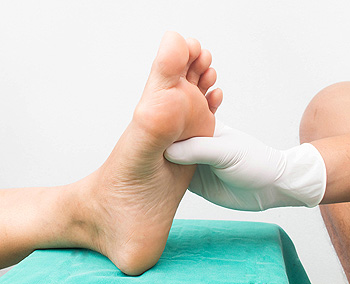
Neuropathy, or nerve damage, is a common complication of diabetes, although it can also result from other conditions like alcohol abuse or certain medications. It often affects the feet and legs, causing a range of symptoms. People with neuropathy may feel a tingling, burning, or numb sensation, which can make walking or standing uncomfortable. In more severe cases, the pain may be sharp or stabbing, and the feet may look red, swollen, or develop sores. The primary cause of diabetic neuropathy is high blood sugar, which damages the nerves over time. Managing blood sugar levels is key to slowing progression. Certain medications may be prescribed to relieve pain and discomfort. A podiatrist plays an important role in managing neuropathy by regularly monitoring foot health, checking for wounds, and providing pain relief strategies. They can offer custom orthotics, recommend specialized footwear, and help with wound care if neuropathy has caused skin damage. If you have neuropathy, it is suggested that you schedule an appointment with a podiatrist fo relief tips.
Neuropathy
Neuropathy can be a potentially serious condition, especially if it is left undiagnosed. If you have any concerns that you may be experiencing nerve loss in your feet, consult with David K. Morris, DPM from Florida. Our doctor will assess your condition and provide you with quality foot and ankle treatment for neuropathy.
What Is Neuropathy?
Neuropathy is a condition that leads to damage to the nerves in the body. Peripheral neuropathy, or neuropathy that affects your peripheral nervous system, usually occurs in the feet. Neuropathy can be triggered by a number of different causes. Such causes include diabetes, infections, cancers, disorders, and toxic substances.
Symptoms of Neuropathy Include:
- Numbness
- Sensation loss
- Prickling and tingling sensations
- Throbbing, freezing, burning pains
- Muscle weakness
Those with diabetes are at serious risk due to being unable to feel an ulcer on their feet. Diabetics usually also suffer from poor blood circulation. This can lead to the wound not healing, infections occurring, and the limb may have to be amputated.
Treatment
To treat neuropathy in the foot, podiatrists will first diagnose the cause of the neuropathy. Figuring out the underlying cause of the neuropathy will allow the podiatrist to prescribe the best treatment, whether it be caused by diabetes, toxic substance exposure, infection, etc. If the nerve has not died, then it’s possible that sensation may be able to return to the foot.
Pain medication may be issued for pain. Electrical nerve stimulation can be used to stimulate nerves. If the neuropathy is caused from pressure on the nerves, then surgery may be necessary.
If you have any questions, please feel free to contact our office located in Plantation, FL . We offer the newest diagnostic and treatment technologies for all your foot care needs.
Symptoms of Gout and Dietary Impacts on the Feet

Gout is a form of arthritis caused by the buildup of uric acid crystals in the joints, often affecting the feet, particularly the big toe. This condition arises when the body produces too much uric acid or is unable to eliminate it effectively. As a result, sharp crystals form and cause intense pain, swelling, and redness. The pain from gout attacks can be sudden and severe, often waking individuals up at night. Certain foods are known to trigger gout flare-ups, particularly those high in purines, such as red meat, organ meats, shellfish, and alcohol, especially beer. These foods increase uric acid levels in the body, contributing to the formation of crystals in the joints. Gout can severely impact mobility, making it difficult to walk or move the affected joint. Managing uric acid levels through a balanced diet, medications, and lifestyle changes can help control symptoms and reduce the frequency of attacks. If you have had one or more gout attacks, it is suggested that you consult a podiatrist who can help you to manage this debilitating condition.
Gout is a painful condition that can be treated. If you are seeking treatment, contact David K. Morris, DPM from Florida. Our doctor will treat your foot and ankle needs.
What Is Gout?
Gout is a form of arthritis that is characterized by sudden, severe attacks of pain, redness, and tenderness in the joints. The condition usually affects the joint at the base of the big toe. A gout attack can occur at any random time, such as the middle of the night while you are asleep.
Symptoms
- Intense Joint Pain - Usually around the large joint of your big toe, and it most severe within the first four to twelve hours
- Lingering Discomfort - Joint discomfort may last from a few days to a few weeks
- Inflammation and Redness -Affected joints may become swollen, tender, warm and red
- Limited Range of Motion - May experience a decrease in joint mobility
Risk Factors
- Genetics - If family members have gout, you’re more likely to have it
- Medications - Diuretic medications can raise uric acid levels
- Gender/Age - Gout is more common in men until the age of 60. It is believed that estrogen protects women until that point
- Diet - Eating red meat and shellfish increases your risk
- Alcohol - Having more than two alcoholic drinks per day increases your risk
- Obesity - Obese people are at a higher risk for gout
Prior to visiting your podiatrist to receive treatment for gout, there are a few things you should do beforehand. If you have gout you should write down your symptoms--including when they started and how often you experience them, important medical information you may have, and any questions you may have. Writing down these three things will help your podiatrist in assessing your specific situation so that he or she may provide the best route of treatment for you.
If you have any questions, please feel free to contact our office located in Plantation, FL . We offer the newest diagnostic and treatment technologies for all your foot care needs.
Living With Sweaty Feet

Hyperhidrosis of the feet, or plantar hyperhidrosis, is a condition characterized by excessive sweating, often unrelated to temperature or activity. This persistent moisture can lead to discomfort, foot odor, and an increased risk of fungal infections, such as athlete's foot. It may also cause skin softening, making the feet prone to blisters and sores. Living with hyperhidrosis can significantly impact the quality of life. People may feel self-conscious about the condition, avoiding activities like removing shoes in public or wearing open-toed footwear. The constant dampness can also compromise shoe longevity and lead to slipping or reduced stability during physical activities. Treatments include antiperspirants, oral medications, and more innovative techniques to reduce sweat production. If hyperhidrosis is affecting your daily life, it is suggested that you see a podiatrist to explore effective solutions and regain confidence.
If you are suffering from hyperhidrosis contact David K. Morris, DPM of Florida. Our doctor can provide the care you need to attend to all of your foot and ankle needs.
Hyperhidrosis of the Feet
Hyperhidrosis is a rare disorder that can cause people to have excessive sweating of their feet. This can usually occur all on its own without rigorous activity involved. People who suffer from hyperhidrosis may also experience sweaty palms.
Although it is said that sweating is a healthy process meant to cool down the body temperature and to maintain a proper internal temperature, hyperhidrosis may prove to be a huge hindrance on a person’s everyday life.
Plantar hyperhidrosis is considered to be the main form of hyperhidrosis. Secondary hyperhidrosis can refer to sweating that occurs in areas other than the feet or hands and armpits. Often this may be a sign of it being related to another medical condition such as menopause, hyperthyroidism and even Parkinson’s disease.
In order to alleviate this condition, it is important to see your doctor so that they may prescribe the necessary medications so that you can begin to live a normal life again. If this is left untreated, it is said that it will persist throughout an individual’s life.
A last resort approach would be surgery, but it is best to speak with your doctor to find out what may be the best treatment for you.
If you have any questions, please feel free to contact our office located in Plantation, FL . We offer the newest diagnostic and treatment technologies for all your foot care needs.
Plantar Fasciitis and the Best Shoes for Relief
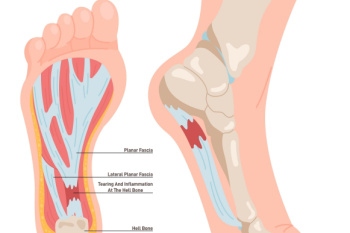
Plantar fasciitis is a common cause of heel pain, often resulting from inflammation of the thick band of tissue that runs along the bottom of the foot. This condition is typically aggravated by excessive pressure or overuse, leading to discomfort, particularly in the heel area. Wearing the right type of shoes is essential for managing and relieving plantar fasciitis. Shoes with good arch support help distribute pressure evenly across the foot, reducing strain on the plantar fascia. Cushioned soles provide shock absorption, which is especially beneficial for those who spend long hours standing or walking. Avoiding flat shoes or high heels is also important, as they do not offer adequate support. Instead, look for shoes with a low, supportive heel and a wide toe box that allows the toes to move freely. If you have heel pain, it is suggested that you consult a podiatrist who can accurately diagnose and treat this condition, in addition to guiding you toward optimum shoes to buy for relief.
Plantar fasciitis is a common foot condition that is often caused by a strain injury. If you are experiencing heel pain or symptoms of plantar fasciitis, contact David K. Morris, DPM from Florida. Our doctor can provide the care you need to keep you pain-free and on your feet.
What Is Plantar Fasciitis?
Plantar fasciitis is one of the most common causes of heel pain. The plantar fascia is a ligament that connects your heel to the front of your foot. When this ligament becomes inflamed, plantar fasciitis is the result. If you have plantar fasciitis you will have a stabbing pain that usually occurs with your first steps in the morning. As the day progresses and you walk around more, this pain will start to disappear, but it will return after long periods of standing or sitting.
What Causes Plantar Fasciitis?
- Excessive running
- Having high arches in your feet
- Other foot issues such as flat feet
- Pregnancy (due to the sudden weight gain)
- Being on your feet very often
There are some risk factors that may make you more likely to develop plantar fasciitis compared to others. The condition most commonly affects adults between the ages of 40 and 60. It also tends to affect people who are obese because the extra pounds result in extra stress being placed on the plantar fascia.
Prevention
- Take good care of your feet – Wear shoes that have good arch support and heel cushioning.
- Maintain a healthy weight
- If you are a runner, alternate running with other sports that won’t cause heel pain
There are a variety of treatment options available for plantar fasciitis along with the pain that accompanies it. Additionally, physical therapy is a very important component in the treatment process. It is important that you meet with your podiatrist to determine which treatment option is best for you.
If you have any questions, please feel free to contact our office located in Plantation, FL . We offer the newest diagnostic and treatment technologies for all your foot care needs.
