Like us on facebook
Follow us on twitter
review us on google

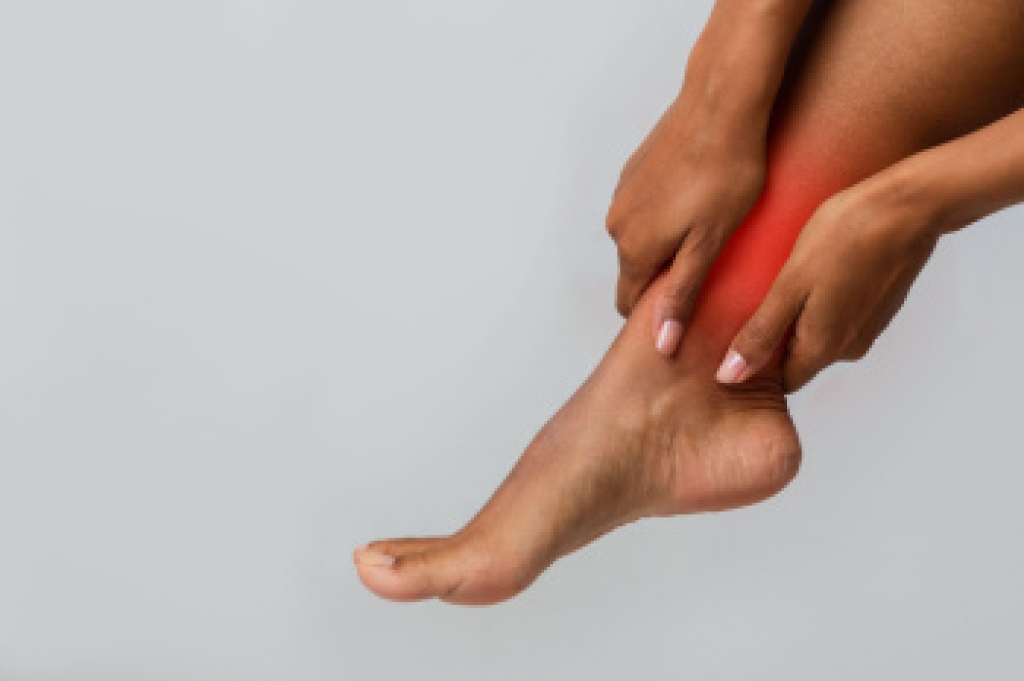
What High-Ankle Pain Means for Mobility

High-ankle pain develops above the ankle joint, where ligaments connect the lower-leg bones. These ligaments hold the bones together and keep the ankle stable. Pain can begin after the foot twists outward while the leg turns inward. This motion can cause a high-ankle sprain, which differs from a sprain on the outside of the ankle. High-ankle pain can also result from a fracture, arthritis, or tendon irritation. Symptoms include tenderness above the ankle, swelling, and pain when the foot turns outward. Walking, climbing stairs, and pushing off can become difficult.

Because several problems can cause pain above the ankle, an accurate diagnosis is important. A podiatrist will ask how symptoms began and where pain is strongest. The examination includes checking swelling, movement, and stability. The podiatrist may rotate the foot or press along the lower leg to identify injured tissue. X-rays can reveal a fracture or unusual spacing between the lower-leg bones. An MRI scan provides a closer look at ligaments and tendons when the cause remains unclear. Severe pain, an inability to bear weight, or a misshapen ankle needs prompt medical attention. Redness, warmth, or fever can also signal a problem requiring timely care.

Treatment depends on the cause and extent of damage. A podiatrist can protect the ankle with a brace, walking boot, or cast. These devices limit harmful motion while tissues heal. The podiatrist can recommend an activity change and guide a gradual return to movement. Custom orthotics can improve alignment and reduce stress when poor mechanics contribute to pain. A severe ligament injury can leave the lower-leg bones unstable and sometimes requires surgery. Follow-up visits allow the podiatrist to check healing and adjust treatment as needed. Early care can reduce the risk of lasting weakness, stiffness, and repeated injury. If you are experiencing high-ankle pain, it is suggested that you schedule an appointment with a podiatrist for effective relief and treatment solutions.

Ankle pain can be caused by a number of problems and may be potentially serious. If you have ankle pain, consult with David K. Morris, DPM from Florida. Our doctor will assess your condition and provide you with quality foot and ankle treatment.

Ankle pain is any condition that causes pain in the ankle. Due to the fact that the ankle consists of tendons, muscles, bones, and ligaments, ankle pain can come from a number of different conditions.

Causes

The most common causes of ankle pain include:

  • Types of arthritis (rheumatoid, osteoarthritis, and gout)
  • Ankle sprains
  • Broken ankles
  • Achilles tendonitis
  • Achilles tendon rupture
  • Stress fractures
  • Bursitis
  • Tarsal tunnel syndrome
  • Plantar fasciitis

Symptoms

Symptoms of ankle injury vary based upon the condition. Pain may include general pain and discomfort, swelling, aching, redness, bruising, burning or stabbing sensations, and/or loss of sensation.

Diagnosis

Due to the wide variety of potential causes of ankle pain, podiatrists will utilize a number of different methods to properly diagnose ankle pain. This can include asking for personal and family medical histories and of any recent injuries. Further diagnosis may include sensation tests, a physical examination, and potentially x-rays or other imaging tests.

Treatment

Just as the range of causes varies widely, so do treatments. Some more common treatments are rest, ice packs, keeping pressure off the foot, orthotics and braces, medication for inflammation and pain, and surgery.

If you have any questions please feel free to contact our office located in Plantation, FL . We offer the newest diagnostic tools and technology to treat your foot and ankle needs.

Read more about Ankle Pain

How Systemic Sclerosis Can Change Foot Function

Systemic sclerosis is an autoimmune disease that causes abnormal changes in connective tissue. It is often associated with hardened or tightened skin, but its effects can extend deeper into the body. The feet may be affected because systemic sclerosis can involve blood vessels, nerves, joints, and surrounding tissues. These changes can make walking less comfortable and may alter the way the foot supports the body during daily activities.

Foot symptoms can include swelling, stiffness,  and pain. Some people experience cold toes or changes in toe color because blood vessels can narrow during Raynaud's phenomenon. Tight skin may make the toes feel restricted and uncomfortable inside shoes. In some cases, small sores or ulcers can develop, especially when circulation is reduced. Risk factors include a personal or family history of autoimmune disease. Smoking and repeated cold exposure can also contribute to circulation problems.

The foot normally works as a flexible support system that absorbs impact and helps the body move forward. Systemic sclerosis can interfere with this process. Stiff skin or joints may reduce flexibility, while painful areas can cause a person to change their walking pattern. A podiatrist can evaluate circulation, sensation, and skin condition. They may also look at joint movement, and pressure areas. Treatment may involve protective footwear, pressure reduction, and regular monitoring. If a sore is present, the podiatrist can assess its severity and recommend appropriate care while watching for infection or delayed healing.

Living with systemic sclerosis does not mean you have to ignore changes in your feet. Simple daily checks can help you notice redness, swelling, or sores, early. Keeping the feet protected from pressure and cold can also be helpful. Because foot problems may become more difficult to manage when circulation is affected, early evaluation matters. If systemic sclerosis is affecting your feet, it is suggested that you consult a podiatrist for an accurate diagnosis and appropriate treatment.

Foot Pain

Foot pain can be extremely painful and debilitating. If you have a foot pain, consult with David K. Morris, DPM from Florida. Our doctor will assess your condition and provide you with quality foot and ankle treatment.

Causes

Foot pain is a very broad condition that could be caused by one or more ailments. The most common include:

  • Bunions
  • Hammertoes
  • Plantar Fasciitis
  • Bone Spurs
  • Corns
  • Tarsal Tunnel Syndrome
  • Ingrown Toenails
  • Arthritis (such as Gout, Rheumatoid, and Osteoarthritis)
  • Flat Feet
  • Injury (from stress fractures, broken toe, foot, ankle, Achilles tendon ruptures, and sprains)
  • And more

Diagnosis

To figure out the cause of foot pain, podiatrists utilize several different methods. This can range from simple visual inspections and sensation tests to X-rays and MRI scans. Prior medical history, family medical history, and any recent physical traumatic events will all be taken into consideration for a proper diagnosis.

Treatment

Treatment depends upon the cause of the foot pain. Whether it is resting, staying off the foot, or having surgery; podiatrists have a number of treatment options available for foot pain.

If you have any questions, please feel free to contact our office located in Plantation, FL . We offer the newest diagnostic and treatment technologies for all your foot care needs.

Read more about Foot Pain

Protecting the Achilles Tendon in Ballet Dancers

Ballet dancers place demands on the feet and ankles, which can make Achilles tendon injuries a concern. The Achilles tendon connects the calf muscles to the heel and helps the foot push off during movement. An injury can cause pain, stiffness, or swelling near the back of the ankle. Symptoms may become more noticeable during jumps, pointe work, or repeated movements.

Overuse is a common cause of Achilles tendon problems in ballet dancers. Rehearsing for long hours, increasing training too quickly, or repeating demanding movements can place stress on the tendon. Poor technique, limited calf flexibility, and wearing unsupportive footwear may also increase risk. Previous Achilles problems can make another injury more likely. Pain should not be ignored because dancing is part of a routine.

Finding relief starts with giving the tendon time to recover. Refrain from dancing until pain and swelling have improved and a podiatrist has advised a return. Rest may help reduce discomfort during the early stage. Adhesive strapping may provide support when recommended by a podiatrist. During an evaluation, a podiatrist will examine the ankle, discuss training habits, and check tendon function. Imaging tests may be ordered when a serious injury is suspected. Treatment can include activity changes, wearing supportive footwear, or other measures based on the injury.

Returning to ballet should be gradual rather than rushed. A podiatrist can help determine when dancing may safely resume and how to reduce stress on the Achilles tendon. Dancers should pay attention to recurring stiffness or pain after practice because these symptoms may signal continued irritation. Taking breaks and addressing symptoms early can help protect foot and ankle health. If you are a ballet dancer and have sustained an Achilles tendon injury, it is suggested that you consult a podiatrist for effective relief and treatment solutions.

Achilles tendon injuries need immediate attention to avoid future complications. If you have any concerns, contact David K. Morris, DPM of Florida. Our doctor can provide the care you need to keep you pain-free and on your feet.

What Is the Achilles Tendon?

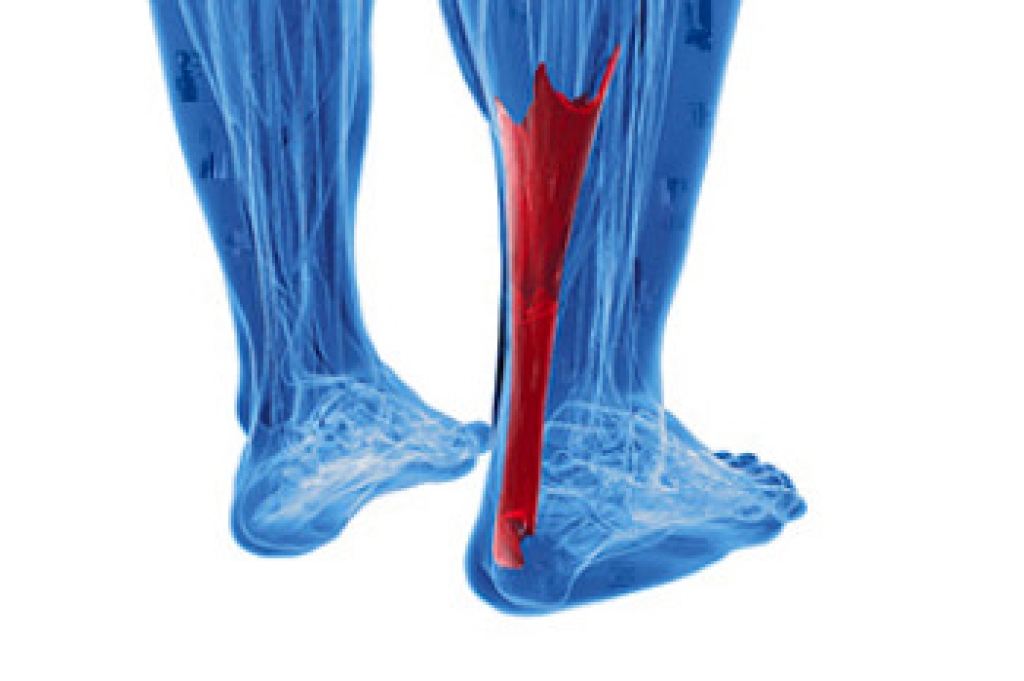
The Achilles tendon is a tendon that connects the lower leg muscles and calf to the heel of the foot. It is the strongest tendon in the human body and is essential for making movement possible. Because this tendon is such an integral part of the body, any injuries to it can create immense difficulties and should immediately be presented to a doctor.

What Are the Symptoms of an Achilles Tendon Injury?

There are various types of injuries that can affect the Achilles tendon. The two most common injuries are Achilles tendinitis and ruptures of the tendon.

Achilles Tendinitis Symptoms

  • Inflammation
  • Dull to severe pain
  • Increased blood flow to the tendon
  • Thickening of the tendon

Rupture Symptoms

  • Extreme pain and swelling in the foot
  • Total immobility

Treatment and Prevention

Achilles tendon injuries are diagnosed by a thorough physical evaluation, which can include an MRI. Treatment involves rest, physical therapy, and in some cases, surgery. However, various preventative measures can be taken to avoid these injuries, such as:

  • Thorough stretching of the tendon before and after exercise
  • Strengthening exercises like calf raises, squats, leg curls, leg extensions, leg raises, lunges, and leg presses

If you have any questions please feel free to contact our office located in Plantation, FL . We offer the newest diagnostic tools and technology to treat your foot and ankle needs.

Read more about Achilles Tendon Injuries

Wounds That Don't Heal Need to Be Checked

Your feet are covered most of the day. If you're diabetic, periodic screening is important for good health. Numbness is often a sign of diabetic foot and can mask a sore or wound.

Peripheral Artery Disease Affecting the Feet

Some diseases that affect the entire body can also produce noticeable problems in the feet. Peripheral artery disease, or PAD, is one example. PAD develops when atherosclerosis causes arteries in the legs to become narrowed. Atherosclerosis is the buildup of fatty material called plaque inside artery walls. As the arteries narrow, less blood can reach the lower legs and feet. Some people with PAD have no noticeable symptoms, while others experience discomfort when walking. Because the feet are far from the heart, circulation problems can become especially noticeable in this area of the body.


Foot-related signs of peripheral artery disease can become more serious as blood flow decreases. The feet may feel cool, while the skin can become thin or pale. Hair loss may also occur on the lower legs and feet. Some people develop aching or burning pain even while resting. More advanced PAD can lead to painful sores on the toes or heels that may have difficulty healing. Severe loss of circulation can eventually damage tissue. PAD is considered a systemic disorder because atherosclerosis may affect arteries elsewhere in the body as well. Diabetes, high blood pressure, and increasing age are among the factors associated with greater PAD risk.


A podiatrist can play an important role in recognizing changes in the feet that may indicate poor circulation. A foot examination can identify skin changes, sores, or abnormal pulses that may require further medical evaluation. Testing may also be needed to determine how well blood is reaching the lower extremities. Because reduced circulation can interfere with healing, professional foot care is particularly important when wounds or other skin problems develop. A podiatrist can provide appropriate foot care while coordinating with other medical professionals when necessary. If you notice persistent foot pain, skin changes, or slow-healing sores, it is suggested that you consult a podiatrist for an evaluation and appropriate treatment options.

When dealing with systemic disease of the feet, it is extremely important to check the affected areas routinely so that any additional problems are caught quickly.  If you have any concerns about your feet and ankles contact David K. Morris, DPM from Florida. Our doctor will assist you with all of your podiatric needs.

Systemic Diseases of the Feet

Systemic diseases affect the whole body, and symptoms usually are displayed in the feet. This condition can make a patient’s ability to walk unbearable.  Systemic diseases include gout, diabetes mellitus, neurological disorders, and arthritis.

Gout – is caused by an excess of uric acid in the body. Common symptoms include pain, inflammation, and redness at the metatarsal/phalangeal joint of the base big toe. Gout can be treated by NSAIDs to relieve pain and inflammation, and other drugs that lower the acid levels in the body.

Diabetes mellitus – is an increase in the level of blood sugar that the body cannot counteract with its own insulin. Failure to produce enough insulin is a factor in Diabetes.

Diabetes of the Feet

Diabetic Neuropathy – may lead to damaged nerves and affect the feet through numbness and loss of sensation.

Peripheral Vascular Disease – can restrict the blood flow to the feet, and often times lead to amputation of the feet. 

If you have any questions please contact our office located in Plantation, FL . We offer the newest diagnostic and treatment technologies for all your foot and ankle needs.

Read more about Systemic Diseases of the Foot
scroll to top